
Who is Yupingfeng San suitable for? Composition, effects, and contraindications explained

When people hear the name “Yupingfeng San,” they often associate it with the idea of “blocking wind like a screen.” In traditional Chinese medicine, it is regarded as a representative formula for boosting qi and consolidating the exterior, commonly used for constitutional tendencies related to defensive qi insecurity and exterior deficiency with spontaneous sweating. This article explores the composition, traditional effects, potential suitable and unsuitable populations, and provides a directional comparison with several formulas that are easily confused with it, helping readers build a preliminary cognitive framework.
Understanding Yupingfeng San from a Traditional Perspective: Boosting Qi, Consolidating the Exterior, Supporting Righteous Qi and Dispelling Wind
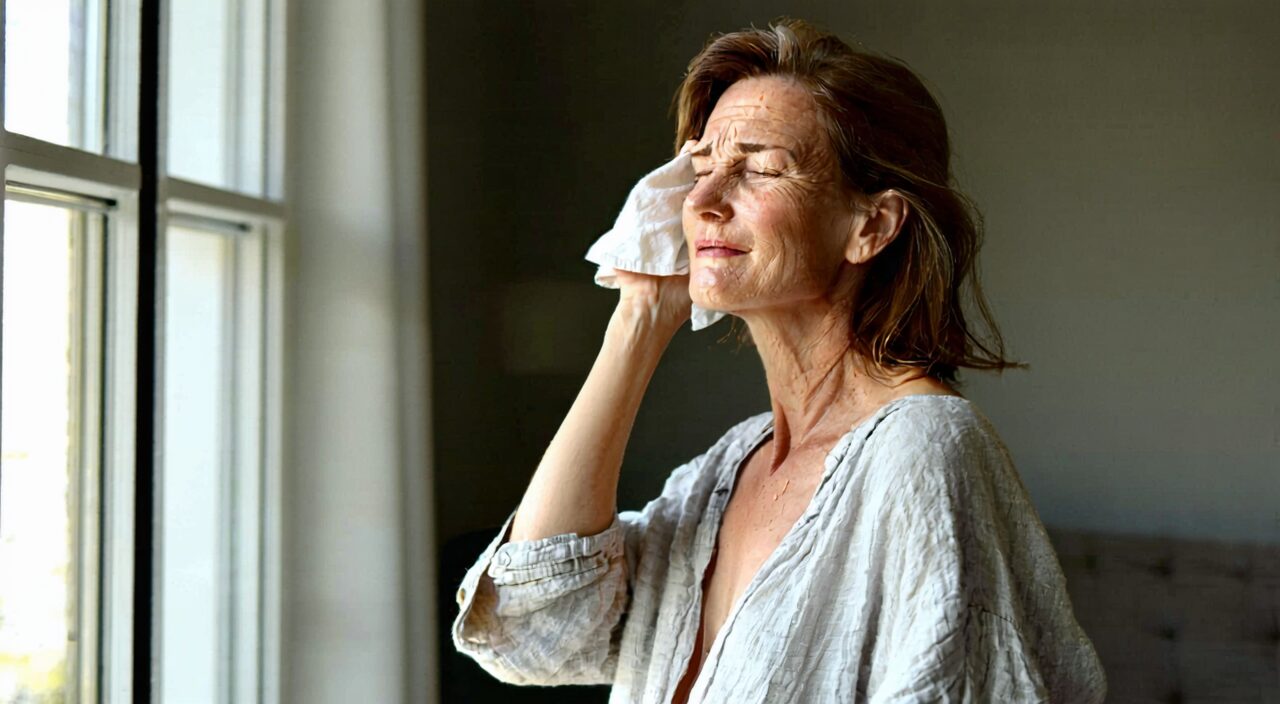
In TCM theory, there is a state called “exterior deficiency,” meaning the body’s surface protective ability is insufficient and defensive qi is not stable enough.
Defensive qi can be understood as a protective energy on the body’s surface, responsible for guarding the exterior and resisting external pathogens. If defensive qi is weak, the opening and closing of sweat pores may become dysfunctional, leading to the following manifestations:
- Excessive sweating unrelated to heat or exercise;
- Feeling uncomfortable with even a slight breeze;
- More prone to recurrent external invasions than others.
Yupingfeng San is precisely based on this rationale: by boosting qi and consolidating the exterior, and supporting righteous qi to help stabilize the body surface, with a slight addition of wind-dispelling effect. In traditional Chinese medicine, this is called “supporting the righteous and dispelling wind.”
Composition of Yupingfeng San
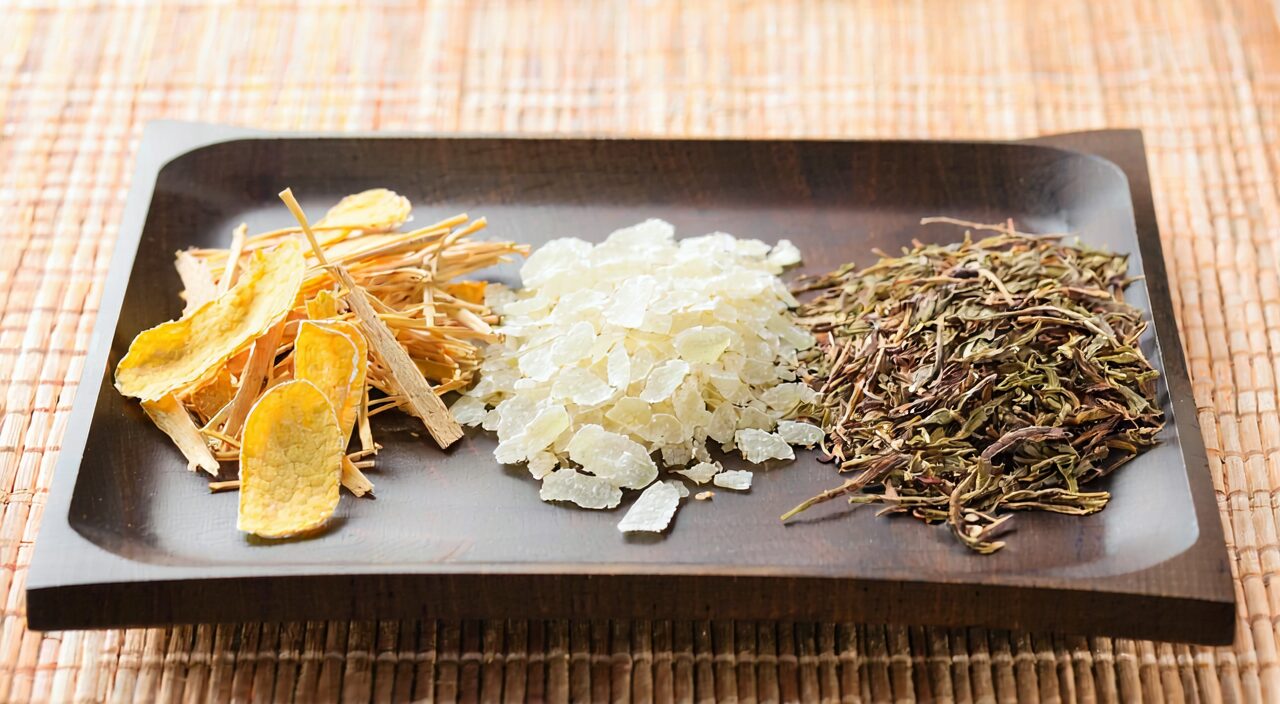
Yupingfeng San consists of only three herbs, with a very concise combination. The following table lists traditional commonly referenced dosages and their roles in the formula; actual application should be individualized.
| Herb | Traditional Common Reference Dosage | Role in the Formula |
|---|---|---|
| Huangqi (Astragalus) | 30g (reference) | Boosts qi and consolidates the exterior; acts as the sovereign herb, tonifying lung and spleen qi to strengthen the defensive exterior |
| Baizhu (Atractylodes) | 15g (reference) | Strengthens the spleen and boosts qi, assisting Huangqi in consolidating the exterior qi |
| Fangfeng (Siler) | 10g (reference) | Acts on the exterior to dispel wind, also has a guiding action; known as “a moistening agent among wind herbs” |
Please note that the above table is only for traditional reference and is not an actual dosage recommendation. Specific use must be based on individual constitution and professional judgment.
Populations That May Be Suitable

Traditionally, Yupingfeng San is more suitable for the following constitutional tendencies, which are mostly related to “defensive qi insecurity”:
- Easily sweating in daily life, often feeling more sensitive to wind after sweating, or sweating noticeably with slight activity;
- Aversion to wind and cold, more prone to sneezing and clear nasal discharge during seasonal or temperature changes;
- Often feeling short of breath and fatigued, with a low voice and reluctance to move much;
- Pale or sallow complexion lacking luster;
- Tendency to recurrent colds or slow recovery from illness, easily feeling unwell again after slight exertion.
It should be noted that these descriptions are only directional categorizations and do not mean that anyone with these manifestations is definitely suitable for this formula. TCM emphasizes pattern differentiation; whether it belongs to qi deficiency or exterior deficiency requires comprehensive judgment combined with tongue and pulse diagnosis.
Situations Where It May Not Be Suitable
Although Yupingfeng San is relatively mild in nature, it is not suitable as a regulating direction in certain states. The following situations are generally considered contraindications or requiring caution:
- During external invasion with fever: If you are currently experiencing a cold, fever, sore throat, swollen red throat, cough with yellow phlegm, or other obvious exterior excess patterns, it is not suitable to use, to avoid incomplete pathogen expulsion and lingering pathogens.
- Interior excess heat or damp-heat: For example, dry mouth, bitter taste, constipation, dark yellow urine, red tongue with yellow greasy coating, etc. In such cases, consolidating the exterior may aggravate internal heat.
- Yin deficiency night sweating: Night sweating refers to sweating after falling asleep that stops upon waking, often accompanied by heat in the palms and soles, dry mouth and tongue, and other yin deficiency signs. Yupingfeng San tends to boost qi and consolidate the exterior and is not suitable for sweating mainly due to yin deficiency.
- Special populations: Pregnant women, breastfeeding women, infants and young children, as well as people with chronic diseases on long-term medication, should only consider this formula under thorough evaluation and professional guidance; self-judgment is not advisable.
Differences from Similar Formulas
Yupingfeng San vs. Guizhi Tang
Guizhi Tang is also often used for sweating and aversion to wind, but the starting points of the two are different. Guizhi Tang addresses exterior wind-cold deficiency pattern, with typical manifestations including fever, sweating, aversion to wind, and a floating moderate pulse, indicating that there are external pathogens on the surface requiring releasing the flesh and exterior, harmonizing ying and wei. Yupingfeng San lacks significant fever and is more for habitual exterior deficiency with spontaneous sweating and wind aversion, used to consolidate the exterior for prevention. One tends to dispel pathogens and harmonize, while the other tends to support the righteous and consolidate the exterior, with a clear difference in direction.
Yupingfeng San vs. Buzhong Yiqi Tang
Buzhong Yiqi Tang focuses on spleen-stomach qi deficiency and sinking of middle qi, often seen with shortness of breath, fatigue, poor appetite, chronic diarrhea with anal prolapse, gastroptosis, etc., adjusting by boosting the middle and lifting yang to raise the sunken. Yupingfeng San emphasizes unconsolidated exterior with sweating and wind aversion as the main symptoms. If spontaneous sweating is accompanied by obvious signs of middle qi sinking and visceral prolapse, a different approach may need to be considered.
Yupingfeng San vs. Fangji Huangqi Tang
Fangji Huangqi Tang stems from a different approach, often used for qi deficiency constitution with concurrent water-dampness stagnation, presenting with sweating, wind aversion, heavy body or edema, and difficult urination. In the formula, Fangji (Stephania) promotes urination, Huangqi boosts qi, and Baizhu strengthens the spleen. Yupingfeng San has no diuretic effect and does not target edema. If sweating and wind aversion are accompanied by body heaviness and lower limb edema, the two directions differ.
Yupingfeng San vs. Shengmai San
Shengmai San (Renshen, Maidong, Wuweizi) is used for dual deficiency of qi and yin, commonly seen with sweating accompanied by irritability and heat, thirst, palpitations, and shortness of breath, with pronounced yin deficiency features. Yupingfeng San purely boosts qi and consolidates the exterior and contains no yin-nourishing medicinals. Therefore, if deficiency sweating is accompanied by obvious dry mouth, hot palms, fatigue yet insomnia, and other yin deficiency signs, Shengmai San’s direction may be more relevant.
The above comparisons are merely clues for understanding the differences between traditional formulas. In actual practice, TCM physicians will weigh many more details comprehensively.
Summary
In traditional Chinese medicine, Yupingfeng San primarily revolves around the direction of exterior deficiency and defensive qi insecurity, commonly known for use in people prone to sweating, wind aversion, recurrent external invasions, and qi deficiency. It is not a general-purpose antiperspirant and is unsuitable for conditions such as external invasion with fever, excess heat, or yin deficiency night sweating. Compared with formulas like Guizhi Tang, Buzhong Yiqi Tang, Fangji Huangqi Tang, and Shengmai San, each has its own focus in terms of regulation, requiring careful differentiation.
The content of this article is only a popular science introduction to traditional Chinese medicine knowledge and cannot replace professional diagnosis or treatment advice. If problems such as spontaneous sweating and wind aversion persist, or are accompanied by other significant discomforts, it is advisable to consult a qualified professional for a comprehensive evaluation based on individual specific conditions.