
Who Is Zhisou San Suitable For? Composition, Benefits & Contraindications

Many people are still troubled by a lingering cough for a long time after their cold or fever has largely resolved. During the day, talking too much can trigger coughing, and at night, the throat starts itching as soon as they lie down, yet there is not much phlegm, and examinations show no obvious lung problems.
In such cases, traditional Chinese medicine may turn to a very representative formula—Zhisou San. It is not a “fierce general” used to tackle severe acute exogenous coughs, but more of a “civil official” that helps regulate the aftermath of a cough. From the perspective of diffusing the lungs, dispelling wind, stopping cough, and transforming phlegm, this article will sort out the composition of Zhisou San, its traditional benefits, suitable populations, contraindications, and its differences from formulas such as Sangju Yin.
What Is the Source of Zhisou San?
Zhisou San originates from the Qing Dynasty physician Cheng Guopeng’s “Medical Insights” (Yi Xue Xin Wu). The original text records that it is mainly used for “various types of cough,” but in traditional application, it is most often considered for coughs caused by lingering external pathogens after a wind-cold invasion, where the lung qi is not properly diffused.
That is to say, the initial cold symptoms such as fever, aversion to cold, and headache are no longer apparent, but the cough persists stubbornly—coughing as soon as the throat itches, or perhaps coughing up a little white phlegm that is difficult to expel. Traditional Chinese medicine often understands this type of cough from the perspective of unresolved wind pathogen and impaired lung dispersion and descent.
The formulation approach of Zhisou San emphasizes warmth, moistening, and balanced gentleness. It does not lean heavily towards either major cold or major heat, nor does it excessively disperse or constrain. This characteristic is why it is frequently mentioned in the regulation of post-external pathogen coughs.
Composition of Zhisou San and the Direction of Each Herb
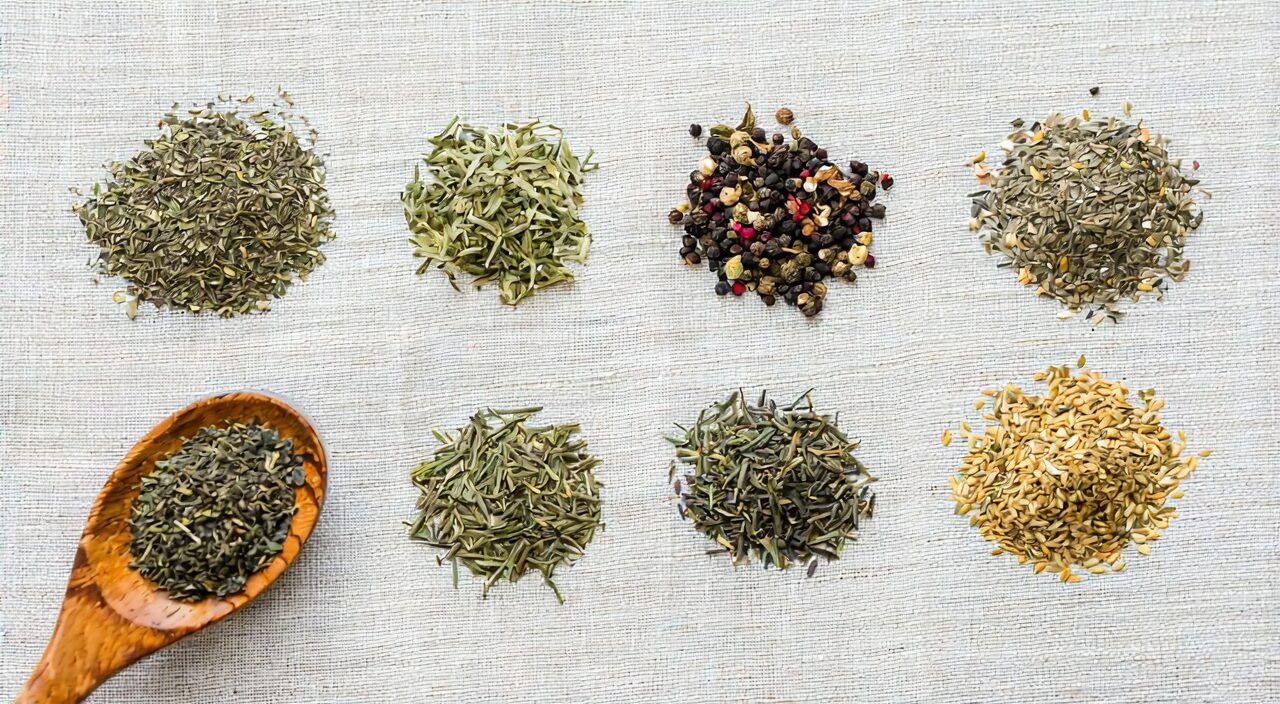
Zhisou San is composed of seven herbs, with an overall mild nature, and is often regarded as one of the “basic formulas for stopping cough” in traditional prescriptions. The following is a common reference for its composition:
| Herb | Traditional Direction of Action |
|---|---|
| Jiegeng (Platycodon Root) | Diffuses the lungs, transforms phlegm, and guides other herbs upward |
| Jingjie (Schizonepeta) | Dispels wind and releases the exterior, clears and benefits the throat |
| Ziwan (Aster Root) | Moistens the lungs, descends qi, transforms phlegm, and stops cough |
| Baibu (Stemona Root) | Moistens the lungs and stops cough, often used for both new and chronic coughs |
| Baiqian (Cynanchum Rhizome/Root) | Descends qi and transforms phlegm |
| Gancao (Licorice) | Harmonizes all herbs and benefits the throat |
| Chenpi (Tangerine Peel) | Regulates qi, transforms phlegm, and harmonizes the middle |
Within the formula, Ziwan and Baibu stop cough; Jiegeng and Baiqian diffuse and descend lung qi; Jingjie dispels wind and benefits the throat; Chenpi regulates qi to prevent stagnation; and Gancao harmonizes. The whole formula acts to diffuse the lungs and dispel wind, stop cough and transform phlegm. Traditionally, it is often used for manifestations such as cough with throat itchiness, difficult expectoration, and slight aversion to wind.
Traditional Benefits and Understanding of Zhisou San
From the perspective of formula theory, Zhisou San does not specialize in attacking pathogens, nor does it lean towards tonification. Its traditional benefits are more about gentle regulation:
- Diffuses the lungs and dispels wind: Through herbs like Jiegeng and Jingjie, it disperses external pathogens, especially suitable for states where exterior pathogens are not strong but residual pathogens have not been cleared.
- Stops cough and transforms phlegm: Ziwan, Baibu, and Baiqian work together to help reduce cough frequency and improve the discomfort of throat itching with difficult expectoration.
- Descends qi and benefits the throat: Chenpi regulates qi and harmonizes the middle, while Jiegeng carries the herbs upward, providing some help for coughs caused by throat discomfort and obstructed qi movement.
It should be noted that these effects are based on the foundation of traditional Chinese medicine diagnosis and cannot be simplistically equated to the antitussive or expectorant effects in modern medicine. Whether it is suitable still needs to be judged in combination with personal constitution, symptom presentation, and professional advice.
Who Is Zhisou San Suitable For?

Zhisou San is not suitable for all coughs; it corresponds to a specific Chinese medicine pattern. If the following descriptions closely match your situation, it may belong to the direction traditionally considered for Zhisou San:
- Lingering cough after an external pathogen: The cold and fever have resolved, but the cough persists for one to two weeks or even longer, with a persistent itchy sensation in the throat, leading to an irresistible urge to cough as soon as it itches.
- Pronounced throat itching with scanty phlegm or white, sticky phlegm: The throat feels as if something is irritating it, but not much phlegm is coughed up, or the phlegm is white and slightly sticky.
- Cough severity fluctuates, worsening with exposure to wind or excessive talking: A slight exposure to cool wind or prolonged speaking easily triggers or worsens the cough.
- No obvious heat signs or deficiency signs: There should be no obvious heat signs and yin deficiency manifestations such as yellow, thick sputum, red, swollen, or sore throat, dry mouth and tongue, tidal fever, or night sweats.
In summary, it is more suited to the cough type where wind pathogen lingers in the lungs and lung qi fails to diffuse. Common TCM pattern references include wind pathogen invading the lung and lung qi failing to diffuse. If your personal situation is far from the above features, caution is needed.
Common Contraindications and Unsuitable Populations for Zhisou San
Every formula has its scope of application, and Zhisou San is no exception. The following types of situations are usually not considered appropriate directions for Zhisou San, and may even worsen discomfort:
- Phlegm-heat congesting the lung: Cough with yellow, thick, sticky sputum in large amounts, chest tightness, dry mouth, fever, and even coarse breathing. These situations traditionally require clearing the lungs and transforming phlegm; Zhisou San is relatively warm and dispersing, which can easily assist heat and retain pathogens.
- Yin deficiency with dry cough: Dry cough without phlegm or with very little sticky phlegm, dry throat and mouth, afternoon low-grade fever, night sweats, red tongue with little coating. Zhisou San is moistening but not nourishing, so it is not suitable for coughs due to yin deficiency and fluid depletion.
- Internal retention of cold fluids or cold-fluid cough and asthma: Cough with copious thin, watery, or frothy phlegm, aversion to cold, cold sensation in the back, and even wheezing. These conditions often require formulas that warm and transform cold fluids, such as Xiaoqinglong Tang, as a reference direction.
- Special populations: Pregnant women, infants, young children, the elderly, or those with chronic underlying diseases should have any medication carefully evaluated under medical guidance.
Additionally, if the cough lasts too long or is accompanied by chest pain, difficulty breathing, hemoptysis, progressively worsening hoarseness, unexplained weight loss, etc., one should not try formulas like Zhisou San on their own but should prioritize seeing a doctor to rule out organic problems.
Differences Between Zhisou San and Formulas Like Sangju Yin
Many people confuse Zhisou San with other formulas because the name contains “San” (powder) or because of similar cough-stopping properties. Below is a brief comparison of several common directions from the perspective of traditional diagnosis:
Zhisou San vs. Sangju Yin
Sangju Yin belongs to the category of acrid-cool exterior-releasing formulas, often used for coughs in the early stage of wind-heat invading the lung, with manifestations such as fever, dry mouth, sore throat, cough with thick or yellow sputum, and red tongue tip and edges. Its focus is on dispelling wind and clearing heat, diffusing the lungs and stopping cough.
Zhisou San, on the other hand, tends to be warm and dispersing, and is not appropriate for wind-heat coughs. The core difference between the two is: one is suitable for unresolved wind-heat exterior patterns, and the other is for unresolved wind-cold residual pathogens.
Zhisou San vs. Xiaoqinglong Tang
Xiaoqinglong Tang is a classic formula for releasing the exterior and transforming retained fluids. It is often used for cough and asthma due to external cold and internal fluids, characterized by cough and wheezing, copious thin, frothy white sputum, aversion to cold, cold back, and a white, slippery tongue coating.
This is completely different from the throat itching and scanty or white sticky phlegm of Zhisou San. The direction addressed by Xiaoqinglong Tang involves a deeper disease location and more pronounced signs of water retention.
Zhisou San vs. Erchen Tang
Erchen Tang is a basic formula for transforming phlegm, primarily focusing on drying dampness and transforming phlegm, regulating qi and harmonizing the middle. The coughs it targets are mostly due to internal accumulation of phlegm-dampness, with relatively more phlegm that is easy to expectorate, a white, greasy tongue coating, often accompanied by chest tightness and nausea.
Erchen Tang is generally not used as a single formula for obvious exogenous coughs, but more for internal damage coughs where spleen deficiency generates phlegm. Zhisou San, on the other hand, addresses both wind dispersion and cough stopping, and phlegm is usually not profuse.
Zhisou San vs. Chuanbei Pipa (Fritillary & Loquat) Type Formulas
Chuanbei Pipa type formulas or preparations, such as the common Chuanbei Pipa Gao syrup, mostly focus on clearing heat and moistening the lungs, transforming phlegm and stopping cough. They are often used for dry-heat coughs or yin deficiency with lung dryness, manifested as dry cough with little phlegm, dry throat, and sticky phlegm difficult to expel.
These types of formulas lean towards cool and moistening, whereas Zhisou San tends to be warm and dispersing, moistening without being cloying. When the pattern types do not match, they should not be used interchangeably as references.
From the above comparisons, it can be seen that Zhisou San corresponds to a state in cough classification that leans towards “wind pathogen with phlegm, residual pathogens not yet cleared,” while other formulas correspond to different directions such as wind-heat, cold fluids, phlegm-dampness, and dry-heat, respectively. Whether it can be considered as a direction for understanding depends on a comprehensive judgment of specific symptoms and TCM differentiation.
Summary
Zhisou San is a traditional formula with the main direction of diffusing the lungs, dispelling wind, stopping cough, and transforming phlegm. It is often used for the type of cough that lingers after an external wind-cold invasion, with throat itching, scanty sticky phlegm, and worsening with wind exposure. Its composition is mainly warm, moistening, and gentle, and it is not suitable for all coughs—especially not for conditions like phlegm-heat, yin-deficiency dry cough, or cold-fluid cough and asthma.
When referencing Chinese herbal formulas, the key lies in pattern-based analysis. Depending on differences in constitution and symptoms, Sangju Yin, Xiaoqinglong Tang, Erchen Tang, Chuanbei Pipa type formulas, and others each have different emphases. This article provides knowledge-based reference only and cannot replace professional diagnosis or personal condition assessment. If a cough persists for a long time or is accompanied by other complex manifestations, it is advisable to consult a doctor or professional promptly to avoid delay.