
Phlegm-Dampness Constitution and Obesity: A TCM Interpretation of Body Heaviness and Thick Greasy Tongue Coating

Many people have experienced this: not eating excessively, yet always feeling heavy in the body and limbs, with puffy eyelids upon waking in the morning, a thick white greasy coating on the tongue when looking in the mirror, and stools that are often unformed and stick to the toilet. When these phenomena coexist with overweight or a heavier build, traditional Chinese medicine may understand this situation from the perspective of a “phlegm-dampness constitution.”
Phlegm-dampness constitution is a constitution type closely associated with obesity. From a TCM perspective, phlegm-dampness does not merely refer to the tangible phlegm coughed up during a cold; more often, it denotes a pathological product formed after dysfunction of body fluid metabolism. When this “intangible phlegm-dampness” accumulates under the skin, in the abdomen, limbs, and even between the internal organs, it tends to lead to changes in body shape and a series of physical sensations that make one feel “heavy” and “unrefreshed.”
This article will elaborate on the common features of phlegm-dampness constitution, its causes, its association with obesity, and the conditioning principles of strengthening the spleen, resolving dampness, and transforming phlegm. It aims to help individuals troubled by body heaviness, thick greasy tongue coating, and sticky bowel movements form a relatively systematic understanding of “phlegm-dampness obesity.” It should be noted that TCM constitution identification and specific conditioning plans often require a comprehensive assessment combining observation, listening, questioning, and pulse-taking. This article is for general reference only and cannot replace individualized professional advice.
Common Features of Phlegm-Dampness Constitution
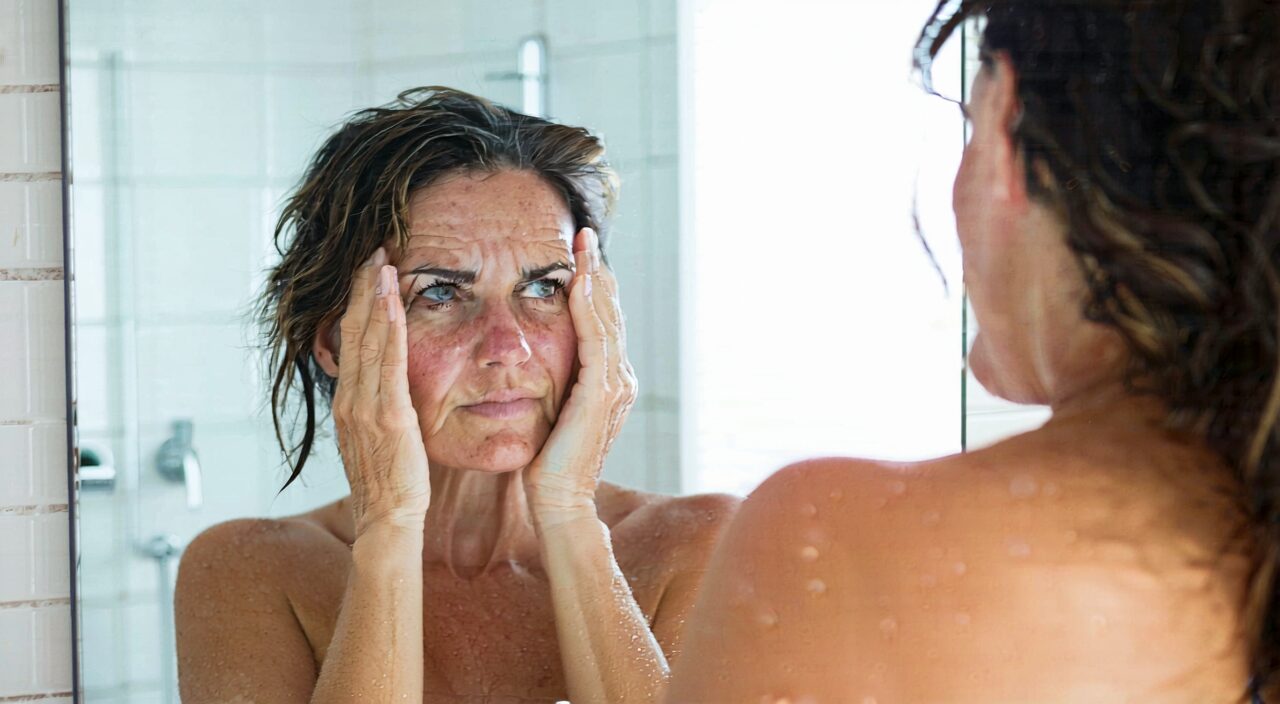
In TCM constitution classification, phlegm-dampness constitution is a biased constitution type primarily characterized by stagnation of body fluids and accumulation of phlegm-dampness. Individuals with this constitution, besides tending to be overweight, often present a cluster of relatively typical manifestations.
Body Shape and Sensation: Soft, Heavy, and Prone to Edema
People with a phlegm-dampness constitution do not always have simple obesity, but their physique often appears “soft.” The muscles feel less firm upon touch, and the subcutaneous fat layer is thicker, especially on the abdomen, hips, and thighs, often giving a “puffy” impression.
The sensation of bodily heaviness is also an important clue to phlegm-dampness constitution. Many describe feeling as if “walking with sandbags tied to their legs,” “finding it especially strenuous to climb stairs,” or “feeling very tired after just a little activity.”
Mild swelling of the eyelids or face upon waking, and a tendency for the lower limbs to swell in the afternoon with shoe marks lingering on the ankles, are also often related to internal water-dampness stagnation. This heaviness differs from normal post-exercise fatigue; it often does not ease with rest and may even worsen with damp weather or prolonged sitting.
Tongue Appearance: Thick Greasy Coating as an Important Observation Window
Observing the tongue is one of the relatively intuitive methods in TCM for assessing phlegm-dampness constitution. The typical tongue manifestation of phlegm-dampness constitution is a plump, enlarged tongue body, possibly with tooth marks on the sides, and a white greasy or thick greasy coating. The tongue often looks moist, as if soaked in water, with a fine, sticky coating that is not easily scraped off.
The degree of thick greasy coating can sometimes vary with the body’s state. For example, after consuming greasy, sweet, or raw cold foods, the coating may become thicker; during gastrointestinal discomfort or pronounced heaviness of the head, the tongue coating also tends to be more obvious.
It is important to note that the tongue appearance can be influenced by diet, medications, oral hygiene, and other factors. Tongue coating alone cannot be used to draw conclusions, but it can serve as a reference direction for daily self-observation.
Stool and Excretion: Sticky, Uncomfortable, and Unformed
Individuals with phlegm-dampness constitution often have stools that are in a “sticky” and “unformed” state. Specifically, they may feel an incomplete evacuation after a bowel movement, and the stool easily adheres to the toilet bowl, requiring repeated flushing. The stool consistency tends to be soft, sometimes loose, not as watery as typical cold-dampness, but with a sticky quality.
Additionally, phlegm-dampness constitution may be accompanied by:
- Cloudy urine
- Sticky perspiration
- Oily skin and easily greasy hair
- Increased vaginal discharge with a sticky consistency in women
- Scrotal dampness in men
These manifestations are all related to the characteristics of dampness evil: lingering, heavy, turbid, and tending to sink downward.
Mental State: Head Heaviness, Drowsiness, and Mental Fog
“Dampness trapping the spleen yang, preventing clear yang from ascending” is a common TCM explanation for how phlegm-dampness affects mental state. People with this constitution often feel a heavy, muzzy head, as if wrapped in something, difficulty concentrating, and possibly decreased memory. They tend to feel drowsy during the day, especially after meals, and may even feel like dozing off as soon as they sit down.
This drowsiness differs from genuine sleep deprivation; even after sleeping for a long time, they still wake up feeling a heavy body and an unclear mind. This is because phlegm-dampness obstructs the normal distribution of qi, blood, and clear yang, depriving the brain and limbs of adequate nourishment and invigoration.
Causes of Phlegm-Dampness Constitution Formation

The formation of phlegm-dampness constitution is often the result of long-term superposition of innate constitution and acquired lifestyle. If there is a family tendency towards obesity and heavy internal dampness, the likelihood of an individual developing a similar constitution relatively increases. However, more commonly, acquired factors play a dominant role, with diet, physical activity, and living environment having particularly significant impacts.
Dietary Factors: Rich, Greasy Foods and Raw-Cold Items
Long-term preference for greasy, sweet, and highly processed foods is an important source for generating phlegm-dampness. TCM refers to such foods as “fatty, sweet, and rich flavors,” which easily impair the spleen and stomach’s transportation and transformation functions. When the spleen and stomach’s transforming ability declines, the essence from food cannot be fully converted into qi and blood, instead turning into surplus water-dampness and phlegm turbidity that accumulate within the body.
Furthermore, excessive intake of raw-cold foods and iced drinks can also damage spleen yang, making water-dampness even harder to vaporize and eliminate. Many people may have experienced that after eating raw-cold salads and drinking iced coffee continuously for a while, their tongue coating tends to become thicker, and their stool becomes stickier and more unformed. This, from a TCM perspective, is a manifestation of cold-dampness harming the spleen and internal generation of dampness evil.
Exercise and Routine: Sedentary Lifestyle Hinders Yang Qi
A sedentary lifestyle is another key factor in forming phlegm-dampness constitution. When the body lacks activity, qi movement slows down, and water metabolism weakens correspondingly. Water-dampness stagnates inside and gradually condenses into phlegm, especially prone to accumulating in the abdomen and lower body.
Irregular daily routines also interfere with the body’s qi transformation function. Chronic sleep deprivation or a reversed day-night cycle can deplete yang qi, affecting the spleen and stomach’s processing of water-dampness at night. When morning yang qi fails to ascend sufficiently, one is more likely to feel heavy in the body and mentally foggy.
Living Environment: External Dampness Provoking Internal Dampness
Living long-term in a damp environment, or during hot and rainy seasons, external dampness can also invade the body, increasing the burden on the spleen. When external dampness combines with internal dampness, the manifestations of phlegm-dampness often become more noticeable. For instance, some people feel especially heavy in the body, have a thicker tongue coating, and experience increased joint discomfort during the rainy season, which may be related to environmental humidity.
TCM Connection Between Phlegm-Dampness and Obesity
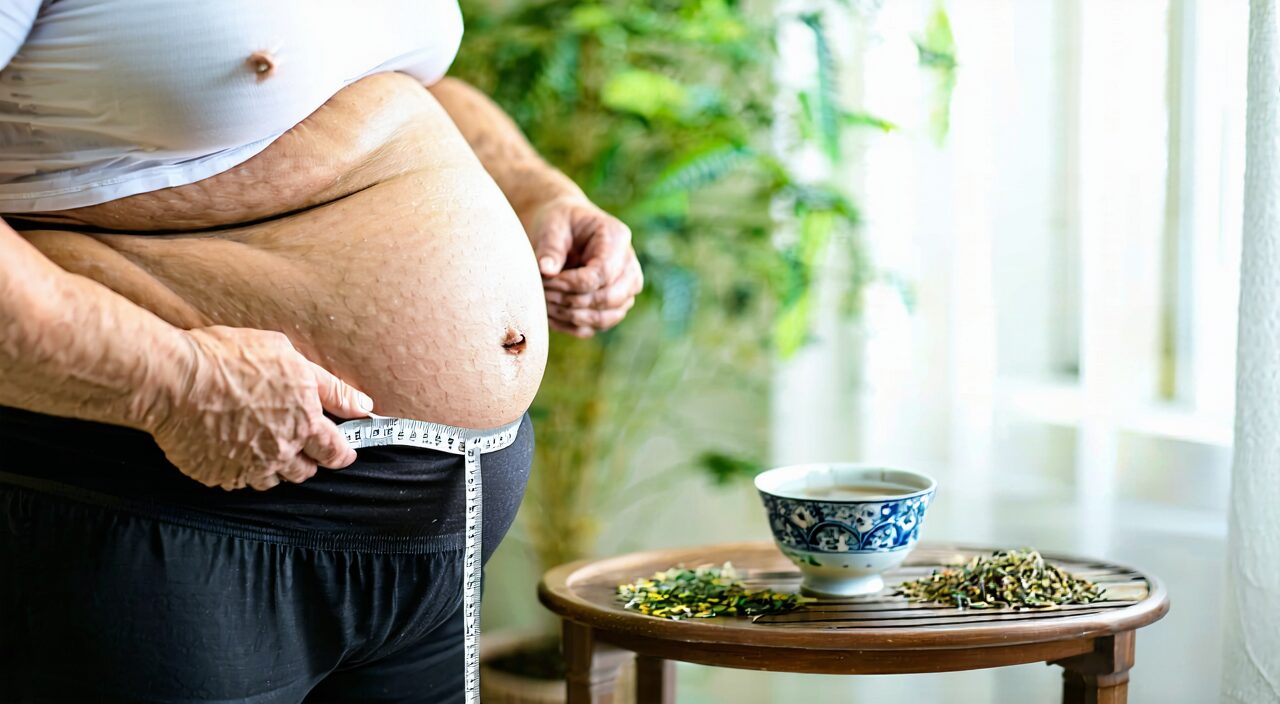
TCM’s understanding of obesity is not merely attributed to “overnutrition”; it pays more attention to organ functions and the qi transformation process. Among various constitution types, the link between phlegm-dampness and obesity is particularly direct. There is a saying in TCM: “Most obese people have phlegm,” indicating that people with a heavier body build often have varying degrees of internal phlegm-dampness accumulation.
Spleen Deficiency Generating Dampness, Dampness Accumulating into Phlegm
In TCM theory, the spleen and stomach undertake the core task of “transporting and transforming water-dampness.” If the spleen and stomach functions are weak, or chronically besieged by fatty, sweet, and raw-cold foods, water-dampness cannot be timely transformed into usable body fluids, instead stagnating into pathological dampness turbidity. When dampness turbidity stays in the body for a long time, it gradually concentrates and congeals, forming the even stickier “phlegm.”
This phlegm-dampness can travel with qi movement to various parts of the body. When it accumulates subcutaneously, it forms soft fat layers and flabby flesh; when it accumulates in the abdomen, the waistline gradually increases. Therefore, phlegm-dampness obesity as understood in TCM is not simply an increase in total fat, but involves water metabolism disorders and phlegm-dampness accumulation.
Not All Obesity Belongs to Phlegm-Dampness, but It Is a Common Pattern
Of course, not every person who is overweight fits the typical phlegm-dampness constitution. TCM diagnosis also incorporates other combined constitutions, such as phlegm-dampness combined with qi deficiency, phlegm-dampness with blood stasis, or phlegm-dampness with yang deficiency. Some people’s obesity may primarily stem from qi deficiency and weak propulsion, while others may be related to damp-heat. Therefore, when addressing an individual’s obesity problem, the overall presentation must usually be examined rather than concluding solely based on body shape.
However, for those with obesity who simultaneously experience body heaviness, thick greasy tongue coating, sticky bowel movements, and edema, understanding and conditioning from the phlegm-dampness perspective is a relatively common approach in TCM clinical practice and daily health maintenance.
Conditioning Principles for Phlegm-Dampness Constitution
The core of conditioning phlegm-dampness constitution lies in restoring the spleen and stomach’s transportation function and eliminating excess dampness turbidity and phlegm evil. In contrast, simply dieting or engaging in high-intensity exercise, without considering constitution characteristics, often yields twice the effort for half the result and may even worsen phlegm-dampness by damaging the spleen and stomach.
Strengthening the Spleen Is Primary, Resolving Phlegm and Removing Dampness Must Be Synchronized
TCM holds that “the spleen is the source of phlegm production,” so the primary principle for regulating phlegm-dampness constitution is to strengthen the spleen. Only when the spleen and stomach function improves can water-dampness be properly transported and transformed, preventing the continuous generation of new phlegm-dampness. At the same time, for existing phlegm-dampness, methods such as resolving phlegm, removing dampness, and promoting diuresis are needed to gradually expel it from the body.
These two aspects usually need to be addressed simultaneously, not mechanically separated as strengthening the spleen first and removing dampness later. In practice, the combination of diet, exercise, lifestyle adjustments, and, when necessary, herbal formulas aims to achieve the goal of “strengthening the spleen without retaining dampness, and removing dampness without harming the spleen.”
Diet Should Focus on Light, Warm, and Easily Digestible Foods
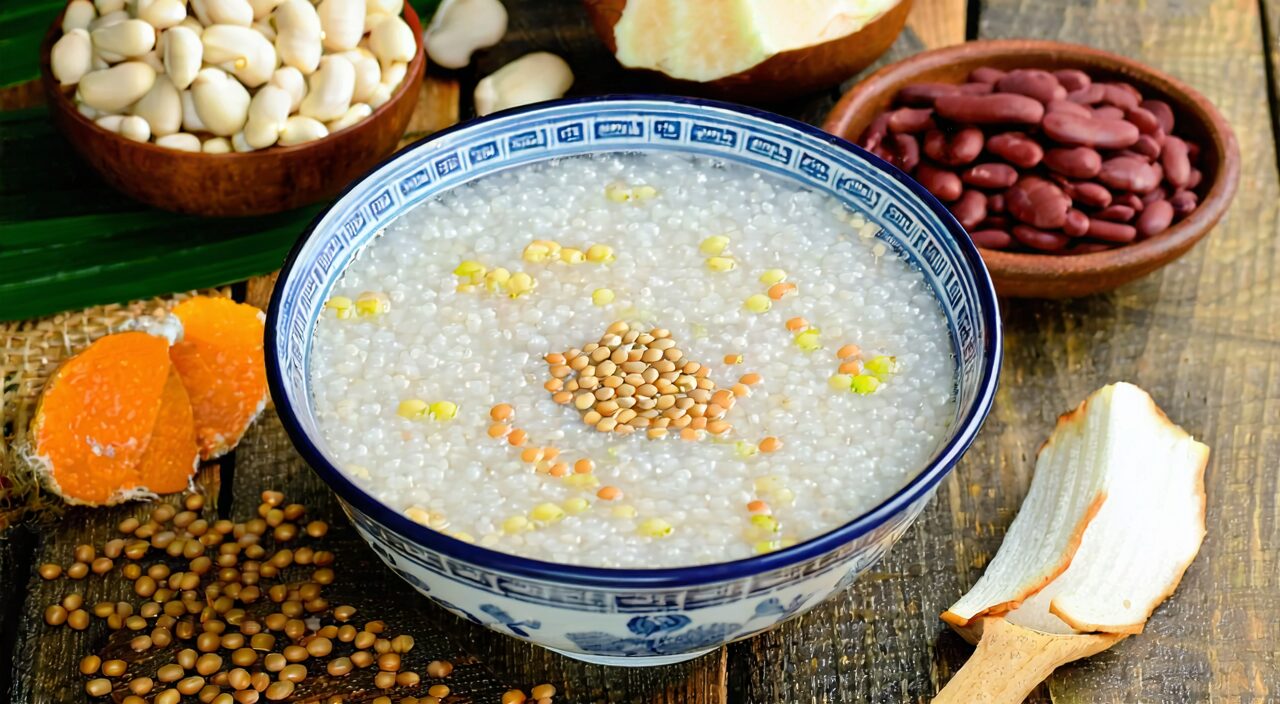
In dietary choices, individuals with phlegm-dampness constitution are generally advised to reduce intake of fatty, sweet, rich, fried, and sugary foods. They can appropriately increase ingredients known to strengthen the spleen and promote diuresis, such as:
- Coix seed (Yi Yi Ren)
- Adzuki bean (Chi Xiao Dou)
- White hyacinth bean (Bai Bian Dou)
- Poria (Fu Ling)
- Chinese yam (Shan Yao)
- Tangerine peel (Chen Pi)
These ingredients are traditionally used in congee and soups, being both gentle and fitting into daily dietary practices.
Cooking methods such as steaming, boiling, and stewing are recommended over stir-frying and deep-frying. Raw-cold fruits, cold drinks, ice cream, and other items that easily damage spleen yang should be moderately reduced based on individual conditions. Additionally, dinner should not be overly filling, and it is best not to eat within two to three hours before bedtime to avoid overburdening the spleen and stomach at night and promoting dampness and phlegm generation.
Exercise Should Be Gentle and Persistent, Avoiding Excessive Depletion
People with phlegm-dampness constitution often feel especially tired at the beginning of exercise, which can easily discourage them. Therefore, choosing gentle, sustainable forms of exercise is more realistic. Brisk walking, jogging, cycling, and traditional exercises such as Ba Duan Jin and Wu Qin Xi can help induce mild sweating, promote qi flow, without excessively consuming qi and fluids.
Regarding exercise timing, appropriate activity in the morning when yang qi rises may help invigorate spleen yang and alleviate morning grogginess. After exercise, it is important to dry off sweat promptly and change into dry clothing to prevent damp-cold from invading again.
Lifestyle and Environmental Adjustments
- Avoid prolonged sitting; get up and move around every hour, which is an effective small habit to break the stagnation of phlegm-dampness.
- Keep the living environment dry and ventilated. If staying in an air-conditioned room for long periods, avoid direct drafts on the abdomen and back.
- Keep warm, especially the abdomen and lumbosacral region, to protect spleen yang.
- Maintain a regular daily routine; try to go to sleep before 11 PM to allow sufficient time for water metabolism and organ repair. Avoid staying up late, as it not only consumes yin blood but also indirectly weakens yang qi and affects spleen and stomach function.
Application Directions of Formulas and Chinese Patent Medicines in Traditional Conditioning
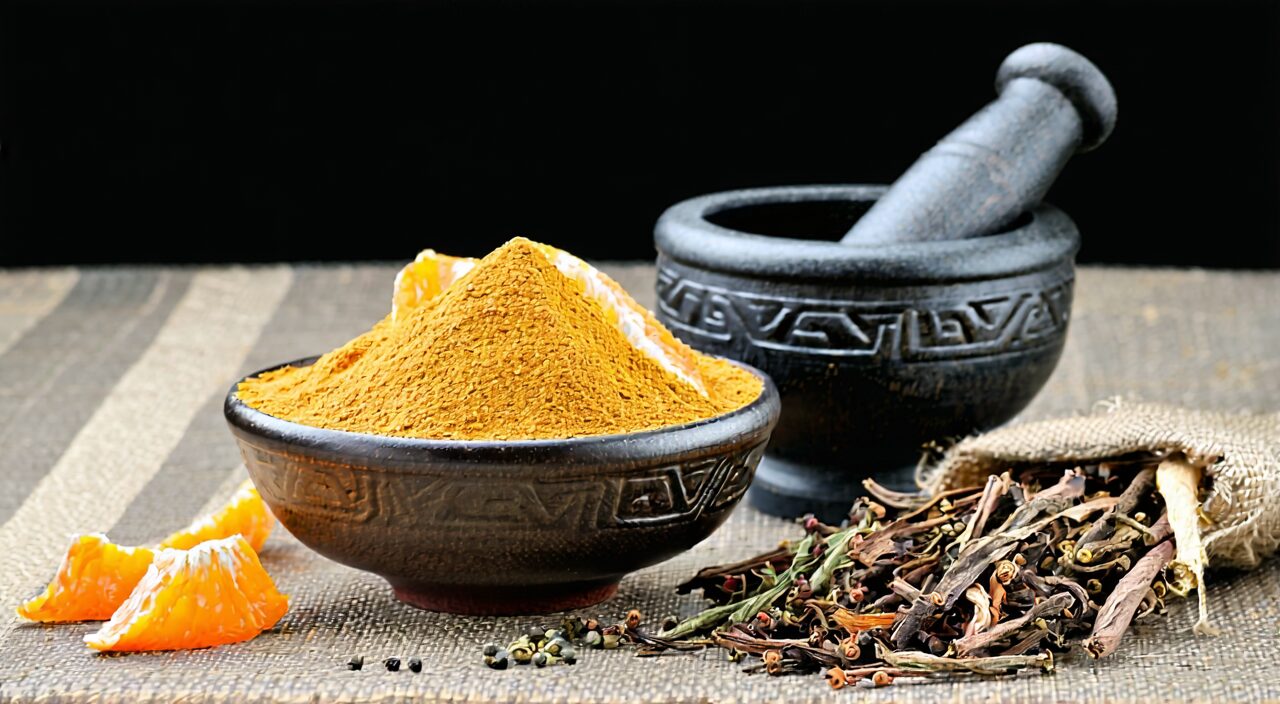
In actual TCM conditioning, there are some traditional formulas and Chinese patent medicines often considered as options for phlegm-dampness constitution and phlegm-dampness obesity. Their main approaches are strengthening the spleen, removing dampness, and resolving phlegm, but their specific application directions and suitable conditions have different emphases.
Er Chen Wan: Focused on Drying Dampness, Resolving Phlegm, Regulating Qi and Harmonizing the Middle
Er Chen Wan is a foundational formula in the category of phlegm-resolving formulas. It is traditionally used for conditions such as cough with copious phlegm, chest and epigastric distension, nausea, and vomiting caused by phlegm-dampness stagnation. In conditioning phlegm-dampness constitution, if the tongue coating is white and greasy, the sensation of body heaviness is pronounced, accompanied by epigastric fullness and poor appetite, Er Chen Wan might be considered by some TCM practitioners as a choice direction for drying dampness, resolving phlegm, regulating qi, and harmonizing the middle.
It is important to know that Er Chen Wan is relatively focused on dispelling pathogenic factors. For those with pronounced spleen and stomach deficiency and a tendency for loose stools, it may not be entirely suitable, or it would need to be balanced in a combined prescription. It is not equivalent to a “dampness-removing weight-loss pill.” Whether it is suitable needs to be judged based on individual symptoms and constitution, and it is recommended to refer to the product instructions and use under professional guidance.
Shen Ling Bai Zhu San: Focused on Strengthening the Spleen, Boosting Qi, and Percolating Dampness to Stop Diarrhea
Shen Ling Bai Zhu San is a commonly used formula for regulating spleen deficiency with dampness excess. It is traditionally suitable for those with spleen and stomach deficiency, poor appetite, loose stools, shortness of breath, fatigue, and a thin or puffy physique. Many people with phlegm-dampness constitution also have manifestations of spleen qi deficiency, such as unstable appetite, post-meal abdominal bloating, and loose, sticky stools. From the TCM perspective, such situations may be more appropriately addressed from the angles of strengthening the spleen, boosting qi, percolating dampness, and stopping diarrhea, with Shen Ling Bai Zhu San being a representative formula in this direction.
For cases with pronounced spleen deficiency accompanied by phlegm-dampness, but where the need to resolve phlegm is not as urgent as with Er Chen Wan, Shen Ling Bai Zhu San may be taken into consideration. Similarly, as a Chinese patent medicine, one needs to understand whether they match its suitability characteristics and pay attention to the precautions in the product instructions before use.
Huo Xiang Zheng Qi Products: Focused on Aromatic Dampness Transformation, Releasing the Exterior and Harmonizing the Middle
Huo Xiang Zheng Qi formulas are traditionally more used for colds caused by external wind-cold and internal dampness stagnation, or summer-heat and dampness, manifesting as headache, heavy head, chest and epigastric oppression, abdominal distension and pain, vomiting, and diarrhea. When individuals with phlegm-dampness constitution experience short-term pronounced symptoms of dampness turbidity obstructing the middle due to hot weather, excessive cooling, or external summer-heat dampness—such as nausea, bloating, and worsening thick greasy tongue coating—Huo Xiang Zheng Qi products might sometimes be used to aromaticly transform dampness, regulate qi, and harmonize the middle.
However, it is not the primary choice for long-term conditioning of phlegm-dampness constitution; it is more directed at a specific phase of dampness evil distress. Habitually using such products as a daily dampness-removing remedy may not be appropriate.
General Reminder
The above formulas or Chinese patent medicines are introduced merely as part of traditional conditioning ideas and do not imply suitability for every reader. Everyone’s constitution, accompanying symptoms, and bodily response to medications differ. Before choosing any Chinese patent medicine, it is recommended to carefully read the product instructions to understand its applicable directions, contraindications, and unsuitable populations.
For chronic, recurrent obesity accompanied by significant fatigue, chest tightness, palpitations, pain, breathing abnormalities, or persistently low mood and anxiety, priority should be given to consulting a physician or professional TCM practitioner for a comprehensive evaluation, rather than self-matching symptoms to a particular formula.
Summary
Body heaviness, thick greasy tongue coating, sticky bowel movements, and a heavier body build—this cluster of manifestations is often associated with phlegm-dampness constitution in traditional Chinese medicine. From a TCM perspective, when the spleen and stomach’s transportation function declines, water-dampness accumulates internally and condenses into phlegm, potentially forming a “puffy” physique accompanied by an unrefreshed, uncomfortable body feeling.
For those experiencing such issues, the core direction of conditioning lies in strengthening the spleen, removing dampness, resolving phlegm, and promoting qi flow. This includes reducing fatty, sweet, rich, and raw-cold foods in the diet, appropriately incorporating gentle and persistent exercise, and adjusting the living environment and daily routine. Some Chinese patent medicines, such as Er Chen Wan, Shen Ling Bai Zhu San, and Huo Xiang Zheng Qi products, offer different traditional choice perspectives from the angles of drying dampness and resolving phlegm, strengthening the spleen and percolating dampness, and aromatic dampness transformation, respectively. However, their suitability needs to be comprehensively judged based on individual constitution, symptom presentation, and product instructions, and professional advice should be sought when necessary.
It should be emphasized that improving phlegm-dampness constitution is often a process requiring patience and persistence; fundamental change is difficult to achieve through short-term, intense intervention. When obesity issues are accompanied by significant physical discomfort, emotional distress, or affect daily life, seeking timely standardized professional help is more reliable than blindly trying various methods on one’s own.