
Fuzi Lizhong Wan: Indications for Warming the Middle and Dispelling Cold – Can It Be Used for Stomach Cold and Aversion to Cold?

Many people have experienced this: the stomach always feels chilly, and drinking warm water or applying a hot water bottle brings some relief; eating raw or cold fruit, cold dishes, or even room-temperature beverages easily triggers stomach pain and diarrhea; when the weather turns cool, the hands and feet never seem to warm up, and the stool is often loose and unformed.
In traditional Chinese medicine experience, these manifestations are often related to “spleen and stomach yang deficiency.” When discussing Chinese patent medicines for warming the middle and dispelling cold, Fuzi Lizhong Wan frequently attracts attention. So, for which conditions is this medicine suitable? Can it be used for stomach cold with aversion to cold? How does it differ from other stomach-warming formulas? This article organizes information around these questions.
The Core Orientation of Fuzi Lizhong Wan Seen Through Its Formula
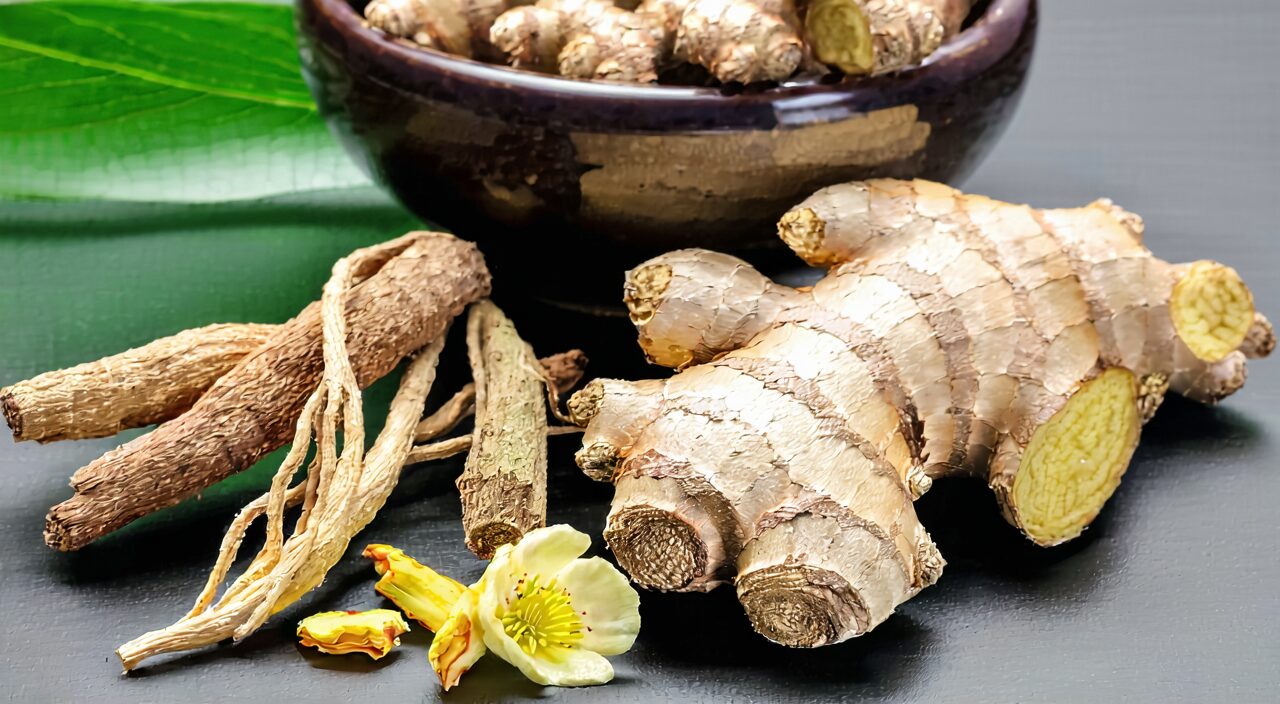
Fuzi Lizhong Wan is not an arbitrary combination. Its foundational strategy can be understood from two perspectives: “warming yang to expel cold” and “boosting qi and strengthening the spleen.” The traditional formula typically contains Fu Zi (Aconiti Radix lateralis praeparata), Gan Jiang (Zingiberis Rhizoma), Ren Shen (Ginseng Radix) or Dang Shen (Codonopsis Radix), Bai Zhu (Atractylodis macrocephalae Rhizoma), and Gan Cao (Glycyrrhizae Radix). Each ingredient plays a specific role within the overall synergy.
- Fu Zi and Gan Jiang: These two provide the main force for warming yang and dispersing cold. Fu Zi is intensely hot and possesses a mobile nature, able to warm and tonify the yang qi of the entire body, with a particular emphasis on the spleen and kidney. Gan Jiang is more guarding and less mobile, excelling at warming the middle burner of the spleen and stomach. Together, they aim to expel deep-lying cold and restore the warming function of yang qi in the middle burner.
- Ren Shen (or Dang Shen) and Bai Zhu: Ren Shen supplements qi, while Bai Zhu strengthens the spleen and dries dampness. Spleen and stomach yang deficiency often involves not only insufficient warmth but also impaired transportation and transformation, leading to fatigue, poor appetite, and loose stools. These two herbs focus on consolidating the spleen and stomach’s foundation of “qi” and “transportation,” enabling them to regain their dynamics.
- Gan Cao: It supplements the middle and boosts qi, while also harmonizing the other herbs and moderating the intense nature of Fu Zi.
Therefore, the intention of the entire formula is not simply “to heat things up,” but to stimulate the already weakened spleen and stomach functions through warming yang, allowing the digestive system’s working capacity to gradually recover. Traditional Chinese medicine classifies it as a classic approach for warming the middle and dispelling cold, commonly used for a range of manifestations caused by insufficient yang qi and deficiency cold in the middle burner.
Typical Manifestations of Spleen and Stomach Yang Deficiency: Which Type of Stomach Cold Do You Have?

This is the most critical part of the article – helping readers determine whether their condition aligns with the common usage direction of Fuzi Lizhong Wan, rather than simply assuming “aversion to cold equals stomach cold.” In traditional Chinese medicine understanding, spleen and stomach yang deficiency has a relatively clear set of identifying clues. If multiple of the following aspects are met simultaneously, it may serve as a reference direction for learning about Fuzi Lizhong Wan, though it still requires a professional’s judgment.
Cold pain in the epigastrium, preferring warmth and pressure
The pain or discomfort is usually not severe; it is often a dull ache. It worsens with cold exposure and eases with heat application or drinking warm water, and applying pressure with the hand feels comfortable. This characteristic of “preferring warmth and pressure” is an important signal distinguishing deficiency cold from pain caused by excess pathogens. If abdominal pain refuses pressure or involves intense distension, it generally does not fall into this category.
Clear, thin or loose, unformed stools, sometimes with undigested food
The spleen and stomach’s transformation and transportation of food and drink require the participation of yang qi. When yang qi is insufficient, ingested food is difficult to fully “ripen,” easily leading to persistently loose, unformed stools, and sometimes visible undigested food residues. Diarrhea often worsens noticeably after catching a chill or eating cold/raw foods.
Aversion to cold, cold limbs, and lack of vitality
These individuals not only feel cold in the stomach but also often experience an overall sensation of coldness, especially cold hands and feet, a pale or lusterless complexion, and the need to wear more layers than others when the weather cools slightly. There may also be accompanying qi deficiency signs, such as mental fatigue, reluctance to speak, and disinclination to move.
Pale tongue with a white coating, bland taste in the mouth without thirst
Tongue presentation is an important reference indicator. People with spleen and stomach yang deficiency generally have a tongue that is pale in color, not very red, with a thin, white, and moist coating. The mouth feels bland and tasteless, there is no feeling of thirst, and they may even prefer to drink hot water. If the tongue is very red, has a yellow, thick coating, or there is dry mouth and a craving for cold drinks, the direction is clearly not this one.
If, after checking, most of the above manifestations are present, then “spleen and stomach yang deficiency” may indeed be a close description of your constitution. However, if discomfort only occurs occasionally after eating something cold and is otherwise completely normal, or only a single symptom is present, there is no need to rush to apply a specific formula.
Who Needs to Carefully Avoid Fuzi Lizhong Wan?
Precisely because Fuzi Lizhong Wan has strong warming and tonifying power, for individuals whose pattern does not match, it not only brings no benefit but may also cause new problems. The following categories are generally not recommended for self-medication, and a doctor or pharmacist should be consulted.
- Those with yin deficiency and fire effulgence: If one usually experiences heat in the palms and soles, dry mouth and throat, night sweats, dry stools, and a red tongue with little coating, these are mostly signs of yin deficiency with heat. Using warming yang substances in such cases is likely to intensify internal heat, potentially leading to irritability, insomnia, and worsening dry mouth.
- Those with stomach heat or damp-heat obstructing the middle: People with burning sensations in the stomach, acid reflux, heartburn, bad breath, swollen and painful gums, sticky and unsatisfactory bowel movements, and a yellow, greasy tongue coating have a nature of heat or damp-heat. Using a warming and tonifying formula is like pouring oil on a fire.
- The difference between excess cold and deficiency cold: Sometimes, severe abdominal pain caused by suddenly eating a large amount of cold food, although also cold in nature, belongs to excess cold, which is different from deficiency cold where yang qi is fundamentally deficient. The treatment approach is also different, and it is not advisable to hastily use formulas primarily aimed at tonification.
- Pregnant women, children, and special populations: Fu Zi has some toxicity and requires standardized processing and strict dosage control. It is contraindicated in pregnancy or must be strictly evaluated by a professional Chinese medicine practitioner; children have delicate constitutions, and the risk of self-medication is significant – a doctor should be consulted face-to-face for the child.
- Individuals with hypertension and cardiovascular diseases: Fu Zi has cardiotonic and blood pressure-elevating effects. Those with poorly controlled blood pressure or severe heart conditions need to be especially cautious and must decide under a physician’s monitoring whether it can be used.
Furthermore, even for individuals who fit the spleen and stomach yang deficiency direction, long-term, high-dose use requires regular adjustments by a Chinese medicine practitioner based on constitutional changes, and it should not be taken long-term as a health supplement.
What Are the Differences Between Fuzi Lizhong Wan, Lizhong Wan, and Xiangsha Yangwei Wan?
These three names are often discussed together, but their directional emphases differ. Avoiding confusion helps in understanding the traditional medication approaches more accurately.
Lizhong Wan: The Basic Formula for Warming the Middle and Dispelling Cold
- Composition: Ren Shen, Gan Jiang, Bai Zhu, Gan Cao, without Fu Zi.
- Action characteristics: Relatively gentle, focused on supplementing qi and strengthening the spleen, warming the middle and dispersing cold, but its warming yang strength is less than the version with added Fu Zi.
- Suitable reference: Mild spleen and stomach yang deficiency, where cold limbs are not obvious, with main manifestations being abdominal distension, loose stools, and poor appetite.
Fuzi Lizhong Wan: Warming the Kidney and Assisting Yang, Strong Cold-Expelling Force
- Composition: The base of Lizhong Wan plus Fu Zi.
- Action characteristics: Significantly enhances the effects of warming and tonifying kidney yang and overall yang qi, with stronger cold-dispelling power.
- Suitable reference: More severe spleen and stomach yang deficiency accompanied by marked aversion to cold, cold limbs, soreness and weakness of the lower back and knees, and extreme mental fatigue. It can be understood as having the foundation of Lizhong Wan but with an added powerful “igniting” medicine.
Xiangsha Yangwei Wan: Regulating Qi and Transforming Dampness, Warming the Middle with Moving Action
- Composition: Although it contains warming middle medicinals, it also includes ingredients that move qi and transform dampness.
- Action characteristics: The emphasis lies in “moving qi” and “transforming dampness,” addressing cold, dampness, and qi stagnation simultaneously.
- Suitable reference: Epigastric fullness and distension, frequent belching, nausea, vomiting, and a white, greasy tongue coating, where the pain tends to be of a distending nature, unlike deficiency cold which prefers pressure. It is more suited for deficiency cold combined with qi stagnation and dampness obstruction; for pure deficiency cold with dull pain and clear, watery diarrhea, it may not address the root as closely as Fuzi Lizhong Wan.
For a more intuitive comparison, the table below summarizes the core differences among the three:
| Formula | Core Composition Emphasis | Core Orientation | Typical Reference Manifestations |
|---|---|---|---|
| Lizhong Wan | Ren Shen, Gan Jiang, Bai Zhu, Gan Cao | Supplements qi and strengthens the spleen, warms the middle and disperses cold (relatively gentle) | Abdominal distension, loose stools, poor appetite; cold limbs not obvious |
| Fuzi Lizhong Wan | The above plus Fu Zi | Warms and tonifies kidney yang, strong cold-dispelling force | Aversion to cold, cold limbs, sore lower back and knees, mental fatigue; more severe deficiency cold |
| Xiangsha Yangwei Wan | Warms the middle + moves qi and transforms dampness | Regulates qi and transforms dampness, warms the middle with moving action | Epigastric fullness and distension, belching, nausea, white greasy tongue coating; deficiency cold with qi stagnation and dampness obstruction |
Each of the three formulas has its own range of applicability, with no absolute superiority or inferiority. Some individuals may find Xiangsha Yangwei Wan more appropriate at one stage, and only need Fuzi Lizhong Wan at another. When in doubt, it is recommended to consult an experienced Chinese medicine practitioner rather than “testing” medicines based on their names.
Daily Coordination and Precautions During Medication Use
If, after professional evaluation, it is indeed determined that Fuzi Lizhong Wan is suitable, some lifestyle details during the medication period can help the body recover better, while also avoiding weakening the medicine’s effects or causing discomfort.
- Strictly avoid raw, cold, and cooling foods: Ice water, ice cream, sashimi, cold salads, and cold-natured fruits like watermelon and pears should all be temporarily avoided during this phase. The yang qi that Fuzi Lizhong Wan has painstakingly warmed and nurtured can easily be depleted by a single serving of raw or cold food.
- Maintain regular meal patterns and avoid overeating: When spleen and stomach functions are weak, it is even more important to nurture them gently and consistently. Eating at regular times and in moderate amounts, with warm meals, is far more important than taking any particular tonic.
- Monitor bodily reactions: If symptoms such as dry mouth, mouth sores, constipation, irritability, or facial redness – signs of “excessive internal heat” – appear after taking the medicine, or if abdominal pain or diarrhea worsen, discontinue use and consult a physician. This may indicate an incorrect pattern diagnosis, or that the dosage or combination needs adjustment.
- Do not casually combine with certain medications: For example, preparations containing herbs like Ban Xia (Pinelliae Rhizoma), Gua Lou (Trichosanthis Fructus), Bei Mu (Fritillariae Bulbus), Bai Lian (Ampelopsis Radix), and Bai Ji (Bletillae Rhizoma) are traditionally considered to have compatibility contraindications with Fu Zi. Whether there are specific interactions must be determined by a Chinese medicine practitioner or pharmacist.
Summary
As a traditional formula for warming the middle and dispersing cold, Fuzi Lizhong Wan has a long history of use in adjusting conditions related to spleen and stomach yang deficiency. It excels at warming the middle and lower burners, helping those who chronically suffer from a cold stomach, abdominal pain and diarrhea triggered by cold, and cold extremities to improve their quality of life. However, its warming and tonifying power is strong, making it unsuitable for constitutions with yin deficiency and fire effulgence, stomach heat, or damp-heat; incorrect use can instead bring harm.
The most critical step is always confirming whether one truly has spleen and stomach yang deficiency. If it is difficult to judge on your own, or if symptoms are stubborn, recurrent, or even accompanied by significant weight loss, black stools, or severe pain, you should not self-medicate but rather seek a doctor’s help promptly. This article only provides popular science based on traditional Chinese medicine understanding directions and cannot replace individualized professional diagnosis and treatment advice.