
Who Is Huanglian Jiedu Decoction Suitable For? Composition, Efficacy and Contraindications Explained

Many people feel at some stage as if there is a fire inside their body: bitter taste in the mouth, dry and sore throat, facial acne, irritability, or even sudden high fever. In traditional Chinese medicine, these phenomena are sometimes categorized as an excess of “excess heat” or “fire toxin.” Huanglian Jiedu Decoction is a classic heat-clearing formula that is often mentioned.
But its heat-clearing direction is very focused and not suitable for everyone. This article will help you form a more comprehensive understanding of Huanglian Jiedu Decoction from these perspectives: the composition of the formula, the traditional application ideas, the characteristics of relatively suitable people, situations to avoid, and the differences from several common heat-clearing formulas.
How Is This Formula Positioned in Traditional Chinese Medicine?
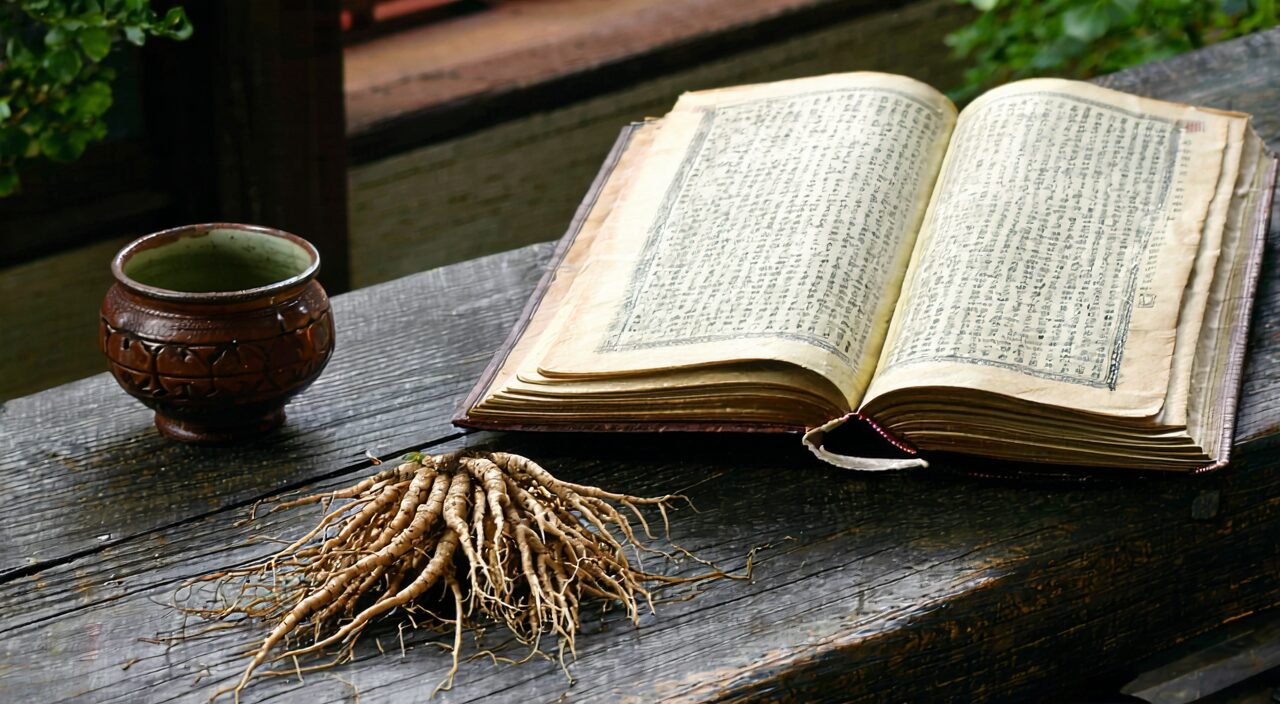
Huanglian Jiedu Decoction was first recorded in the Tang Dynasty’s “Wai Tai Mi Yao” and later included in works such as “Zhou Hou Bei Ji Fang.” Traditionally, it is regarded as a formula that directly counters fire toxin, purging fire and detoxifying. Its action level primarily targets excess heat in the triple burner, especially when fire toxin is exuberant and fills both interior and exterior.
The term “excess heat in the triple burner” can be roughly understood as evident excess heat manifestations from the upper to the lower body—not deficiency heat caused by yin deficiency, nor an isolated problem in a single organ, but a systemic reaction to fire toxin. Therefore, its heat-clearing strength is considerable. Traditionally, it is not viewed as a daily regulating formula but rather used more during stages of pronounced heat intensity.
What Chinese Herbs Compose Huanglian Jiedu Decoction?
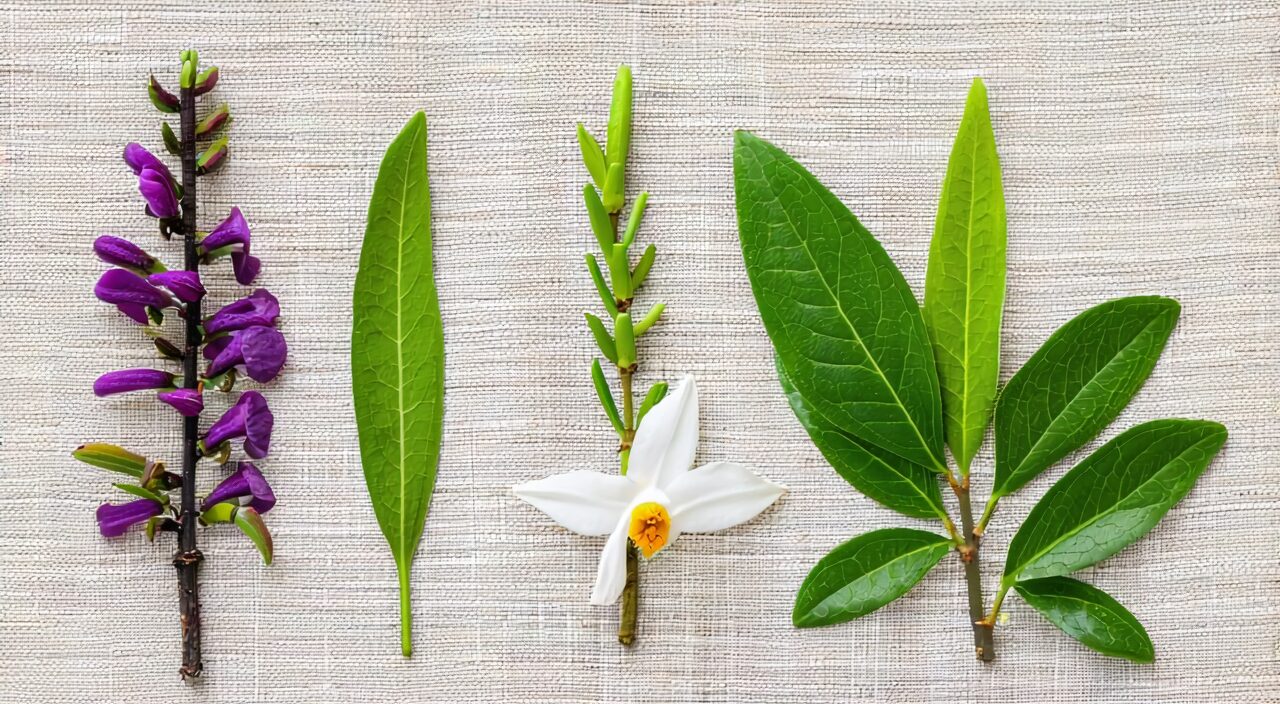
The core composition of the formula is very concise—only four herbal ingredients—but each plays a role in clearing heat at specific areas.
| Herb | Traditionally Perceived Action Direction |
|---|---|
| Huanglian (Coptis chinensis) | Mainly clears heart and stomach fire, especially targeting excess heat in the middle and upper burner |
| Huangqin (Scutellaria baicalensis) | Tends to clear upper burner lung heat and liver-gallbladder heat |
| Huangbai (Phellodendron amurense) | Mainly clears lower burner kidney and bladder heat |
| Zhizi (Gardenia jasminoides) | Drains fire from all three burners, guides heat downward, clears the heart and relieves irritability |
The combination of these four herbs forms a structure that simultaneously clears excess fire in the upper, middle, and lower burners. Their nature and taste are all cold and bitter, so while clearing heat, they also conspicuously consume spleen and stomach yang qi. This is why, in the subsequent discussion of unsuitable populations, the issue of spleen-stomach deficiency will be repeatedly mentioned.
What Physical Presentations Is It Traditionally Used For?

Huanglian Jiedu Decoction is not a routine regulating formula. In traditional clinical records, it is more often applied during stages of relatively severe fire toxin. If understood from the perspective of TCM “patterns,” it generally points to patterns of “excess heat” or “internal exuberance of fire toxin,” which may include the following manifestations:
- High fever that does not subside, accompanied by irritability, restlessness, and even delirium or confused speech;
- Obvious dry mouth and bitter taste, with a persistent desire to drink cold water;
- Very flushed complexion, congested and red eyes, or red, swollen and painful throat;
- Sores and ulcers on the skin with redness, swelling, heat sensation, and pain, or extensive red rashes;
- Constipation, dark yellow or even reddish urine, with a burning sensation during urination;
- A red tongue body with a thick yellow or yellow-greasy coating.
It must be particularly emphasized that the above manifestations only serve as reference directions for traditional pattern identification. Experiencing several of them does not mean one can use this formula on their own. Whether the condition truly belongs to an excess heat pattern, and whether it is mixed with dampness, stasis, deficiency, etc., still requires judgment by a qualified Chinese medicine practitioner. Especially when high fever, clouded consciousness, or rapidly expanding sores occur, seeking medical attention should be the priority rather than self-administering the formula.
Who Is Generally Considered Unsuitable?
Because Huanglian Jiedu Decoction is predominantly cold and bitter, its range of unsuitability is also relatively clear. The following groups are traditionally advised to avoid it or use it with extreme caution:
- People with spleen-stomach deficiency cold: Those who are prone to diarrhea, have a cold abdomen, dare not eat raw or cold foods, experience post-meal bloating, or have unformed stools. Using large doses of cold-bitter herbs can easily worsen digestive dysfunction in such individuals.
- People with yin deficiency and heat: Afternoon feverishness, hot palms and soles, dry mouth without a strong desire to drink, and a red tongue with little coating. If this type of deficiency heat is treated with the powerful method of clearing excess fire, it may instead consume yin fluids, making the deficiency fire harder to subdue.
- People with obvious cold pattern signs: For example, aversion to cold, cold extremities, preference for hot drinks, pale complexion. This type of constitution is completely opposite to the direction of Huanglian Jiedu Decoction, and strict avoidance is usually necessary.
- Long-term self-administration: Even if some symptoms seem to match excess heat in the short term, prolonged use without clear pattern identification is not advised. Long-term use of cold-bitter herbs tends to damage spleen and stomach yang qi, leading to decreased appetite, weakened physical strength, and even other complex problems.
- Special physiological stages: During pregnancy, lactation, and in children or the elderly who are weak, such a powerful formula should generally be avoided.
Furthermore, if bodily discomfort has persisted for a long time, recurs repeatedly, or is accompanied by obvious palpitations, chest tightness, difficulty breathing, severe abdominal pain, persistent vomiting, black stools, or unexplained weight loss, professional medical help should be sought as a priority, rather than using formulations like Huanglian Jiedu Decoction.
Differences from Several Common Heat-Clearing Formulas
Many people compare Huanglian Jiedu Decoction with Longdan Xiegan Decoction, Baihu Decoction, Qingwei San, and Daochi San because they are all known for clearing heat, but their respective emphases differ greatly. Understanding these distinctions helps avoid the mistake of arbitrarily picking a heat-clearing formula whenever “internal heat” appears.
| Formula | Core Clearing Direction | Common Reference Manifestations | Key Difference from Huanglian Jiedu Decoction |
|---|---|---|---|
| Longdan Xiegan Decoction | Clears liver and gallbladder damp-heat | Headache, red eyes, hypochondriac pain, bitter taste, possible painful urinary dripping, thick yellow leukorrhea | Focuses on liver meridian damp-heat, belongs to “liver meridian damp-heat”; Huanglian Jiedu Decoction resolves triple burner excess fire, with a broader scope of fire toxin and graver excess heat degree |
| Baihu Decoction | Clears yangming qi-level heat | Great heat, great thirst, great sweating, surging pulse | Heat at the qi level, not yet entering the blood level; Huanglian Jiedu Decoction can clear both qi and blood level heat toxin, often accompanied by irritability, skin eruptions, and bleeding tendency |
| Qingwei San | Clears stomach fire, cools blood | Toothache, red swollen gums, foul hot breath, facial heat | Action limited to stomach meridian fire; Huanglian Jiedu Decoction targets the triple burner, suitable for systemic excess fire |
| Daochi San | Clears heart meridian heat, promotes urination | Mouth and tongue sores, heart vexation, short, reddish, painful urination | Milder heat-clearing strength, guiding heat downward, concentrated on upper burner heart meridian and small intestine; Huanglian Jiedu Decoction has stronger fire-purging and detoxifying action |
These comparisons also reflect the TCM concept of “treating the same disease with different methods”: for the same apparent “heat” or “internal fire,” the choice of formula differs greatly depending on which organ, level, and whether it is excess or deficiency.
Summary
Huanglian Jiedu Decoction is a classic heat-clearing, fire-purging, and detoxifying formula in Chinese medicine. Traditionally, it mainly targets bodily presentations of excess heat in the triple burner and exuberant fire toxin, such as high fever with irritability, flushed face and red eyes, bitter taste and dry mouth, constipation, and dark urine. Its strong cold and bitter nature makes it completely unsuitable for those with spleen-stomach deficiency cold, yin deficiency with heat, or cold deficiency constitution.
When considering whether it suits you, it is especially important to distinguish it from formulas like Longdan Xiegan Decoction, Baihu Decoction, Qingwei San, and Daochi San. Different heat-clearing formulas correspond to different patterns; using the wrong direction may not only be unhelpful but may also harm normal body functions. It is recommended that all understanding of formulas be based on clear knowledge of one’s own constitution and the essence of symptoms, and ideally conducted under the guidance of a professional Chinese medicine practitioner or healthcare professional, rather than relying solely on superficially similar manifestations to self-prescribe.